হালনাগাদ:
কেস ও প্রকল্প পরিস্থিতি
Cases: bringing foreign workers to Ukrainian companies
Delivered WORKIN projects and the problems companies come with. Client names are withheld - the type of company and the substance of the project are shown instead. Typical scenarios are marked separately: they show how WORKIN approaches a task, not a report on completed work.

Filters
Agriculture and food
Launching a packaging shift at a food plant
There was nobody to staff the extra shift: local response did not cover the need.
Profile, sourcing, screening, documents, arrival, housing and the first day on the line.
কেস দেখুন →
Manufacturing
Woodworking: machine operators and sorters
Areas stood idle for lack of operators, sorters and packers.
Experience check, allocation to operations, group arrival and shift start.
কেস দেখুন →
Warehousing and logistics
Warehouse complex: pickers for an extended shift
Extending the shift ran into a shortage of pickers.
Sourcing, physical readiness check, documents and transport to the warehouse.
কেস দেখুন →
Warehousing and logistics
Distribution centre: a stable loading crew
Loading and sorting relied on random people and constantly slipped.
Shift crews, briefing, arrival in groups and a supervised first day.
কেস দেখুন →
Agriculture and food
Poultry enterprise: production and packaging areas
Processing and packaging areas were running understaffed.
Sanitary requirements, sourcing for real conditions, housing and transport.
কেস দেখুন →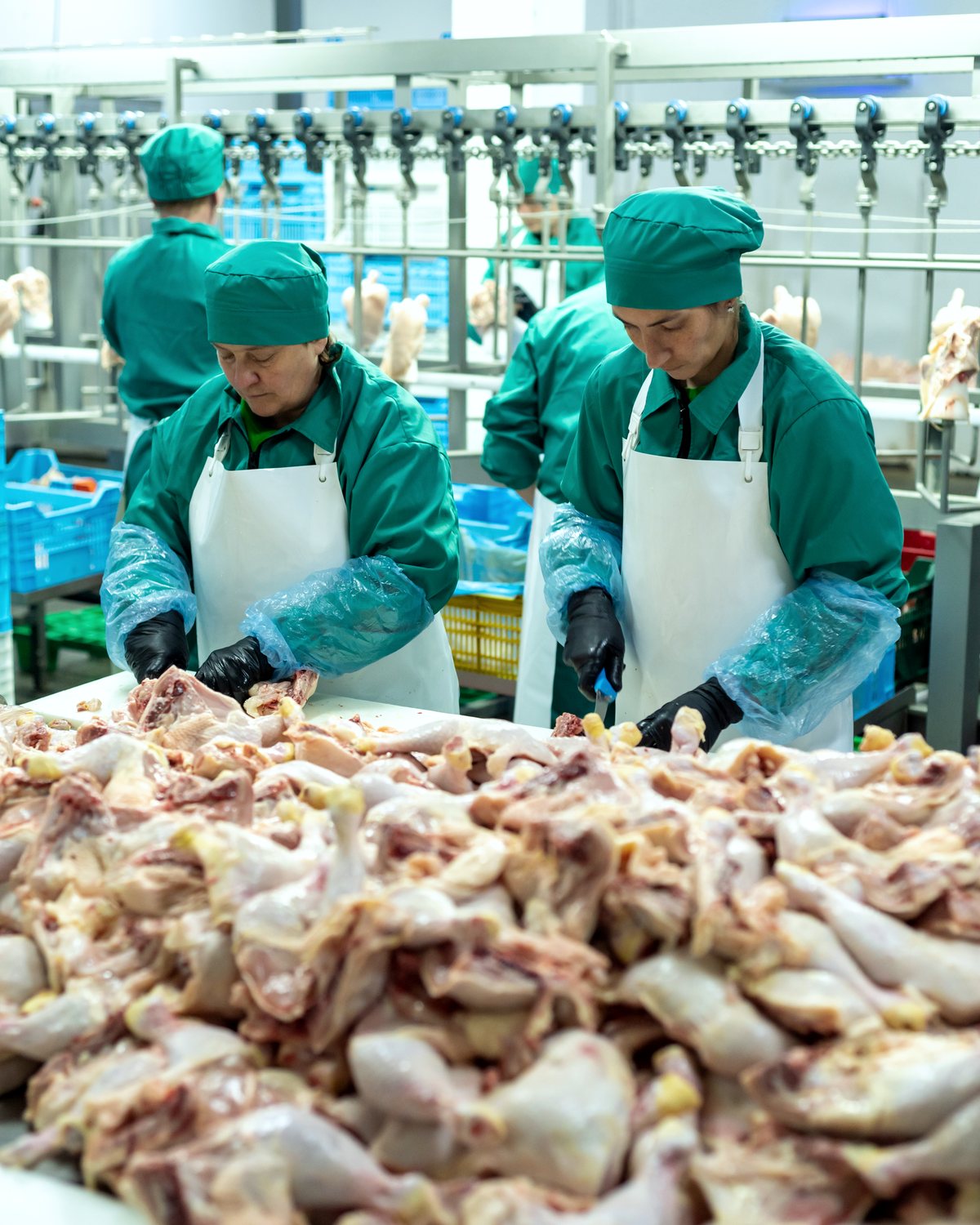
Typical scenario · Agriculture and food
A poultry complex: thirty specialists from two countries, three visa refusals and addresses that could not be used for residence permits
The poultry complex needed poultry house operators, slaughter line hangers, deboners and packers. Local agencies sent random people, and the company could not process foreign workers on its own before the peak season.
কেস দেখুন →
Typical scenario · Agriculture and food
Fruit farm above the Dniester: fourteen orchard workers from Nepal, transit through Moldova and an arrival day planned hour by hour, from the check-in desk in Kathmandu to the keys to their rooms
The group from Nepal had to be in a village near the Moldovan border by early September. The journey ran through Istanbul and Chișinău, a Moldovan transit visa is issued for a specific flight, and eight days before departure the airline moved the flight by four hours.
কেস দেখুন →
Typical scenario · Retail
Home goods retail chain: sixteen sales staff from Azerbaijan, a language check by video built on real customer situations, a language card for every candidate and sixty Ukrainian phrases learned before departure
The chain needed people who would talk to customers from day one. Almost every CV said "Russian: fluent", but a conversation with a customer who is in a hurry and does not know what the product is called is a very different test. On top of that, the language of customer service in Ukraine is the state language.
কেস দেখুন →
Typical scenario · Manufacturing
Printing and packaging plant: twenty work permits for a group from Tajikistan, three candidates who changed their minds twelve days before departure, and reserve replacements who arrived two weeks after the main group
Permits for twenty people had already been issued when, twelve days before departure, one candidate took a job at home, another stayed with his family and a third stopped answering. The plant's new warehouse still had to open on time.
কেস দেখুন →
Typical scenario · Agriculture and food
Grain elevator: fourteen workers from Uzbekistan for the harvest, permits a week shorter than six months and a calendar that put people on site before the first barley lorry
The harvest at the elevator lasts about five months, but HR had drafted one-year contracts. The contract term sets the permit term and the state fee, and on the first day of the harvest everyone had to be on site with a valid permit and a signed contract.
কেস দেখুন →
Typical scenario · HoReCa and cleaning
Industrial laundry: fourteen operators from Turkey who speak neither Ukrainian nor Russian, names with the letters ş, ğ and ı in permit translations, and a two-column employment contract read in Turkish before departure
The group from Turkey reads neither Ukrainian nor Russian. The permit needs passport translations with the translator's signature notarised, Turkish letters in names are easy to render in different ways, and the laundry's first Turkish version of the contract came from an online translator.
কেস দেখুন →
Typical scenario · Warehousing and logistics
Distribution centre: sixteen order pickers from Kyrgyzstan, fifteen cleared the border in minutes, one was refused entry, and a week later he entered on the same permit
A group of sixteen was let through at the border, but one candidate was refused entry: his answers about the purpose of the trip were muddled and his border documents were in a bag in the luggage hold.
কেস দেখুন →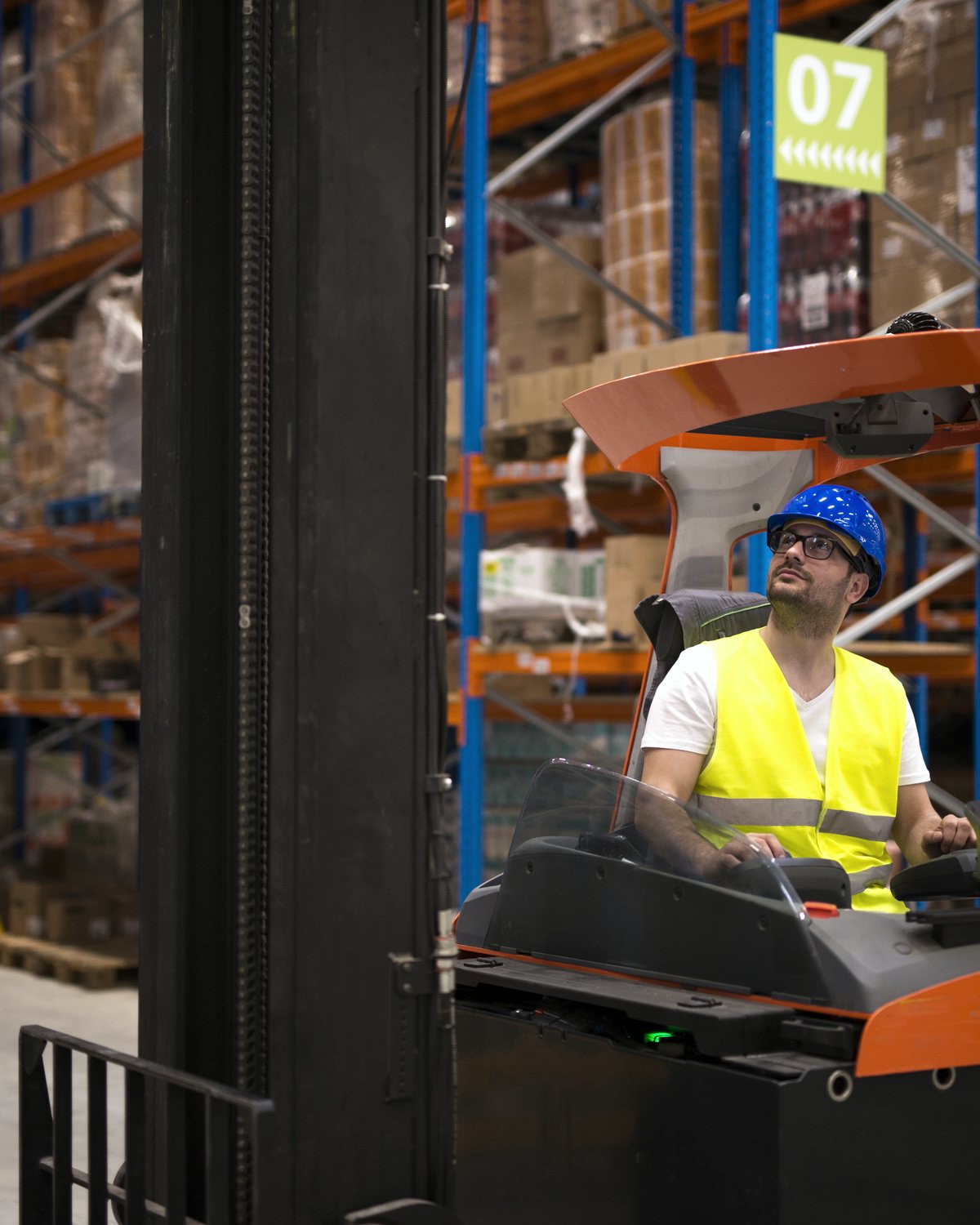
Typical scenario · Warehousing and logistics
Building materials warehouse: a call from the dormitory at 23:40, a mother in hospital in Samarkand and seventy-two hours to let a worker go properly, close his permit and put a reserve candidate in his place
Five months into the project, one of the twenty-two order pickers from Uzbekistan had to travel home urgently to his sick mother. Within three days the dismissal had to be processed, an application to revoke the permit filed, the journey home planned and the warehouse spared an empty place.
কেস দেখুন →
Typical scenario · Construction
Housing general contractor: twenty bricklayers and plasterers from India, invitations where every detail matches the permit, and two D visa packages that had to be rebuilt
A crew from India needs D visas, and the consulate checks every package down to the detail: job title, name, address, insurance. Two packages came back because the name on the insurance policy differed from the passport.
কেস দেখুন →
Typical scenario · Manufacturing
A furniture factory: ten CNC operators from India, a simulator test on the factory's own drawing, millimetres instead of inches, and two job titles in the permits from day one
The factory was opening a CNC section and couldn't afford operators who knew the machines only from their CVs. The candidates were in India, the machines in Ukraine, and the technologist had no time to travel for interviews.
কেস দেখুন →
Typical scenario · Manufacturing
A precast concrete plant: thirty workers from Turkey in three batches for three line launches, a new director between the first and second batches, and a renamed job title in the staffing schedule
The plant was launching one new line a month and wanted people exactly in time for each launch. Between permit batches the plant changed director, and then HR renamed a job title for which the first permits had already been issued.
কেস দেখুন →
Typical scenario · Manufacturing
A PVC window plant: fifteen assemblers from Tajikistan, a line in the information sheet saying 'I wasn't charged' that candidates couldn't sign, and a partner agency replaced mid-recruitment
While signing information sheets, several candidates hesitated at the line confirming they hadn't been charged for placement. A regional recruiter at the partner agency had been collecting cash from people, although its contract with WORKIN forbids it.
কেস দেখুন →
Typical scenario · Agriculture and food
A dairy farm: twelve operators from Kyrgyzstan, a village forty-five kilometres from the migration office and bank, and a trip plan in which one journey covers three tasks
Everyone files for a residence permit in person, and a tax number and bank account also need trips, but the district town is forty-five kilometres away with one bus a day. The farm can't release all its operators at once.
কেস দেখুন →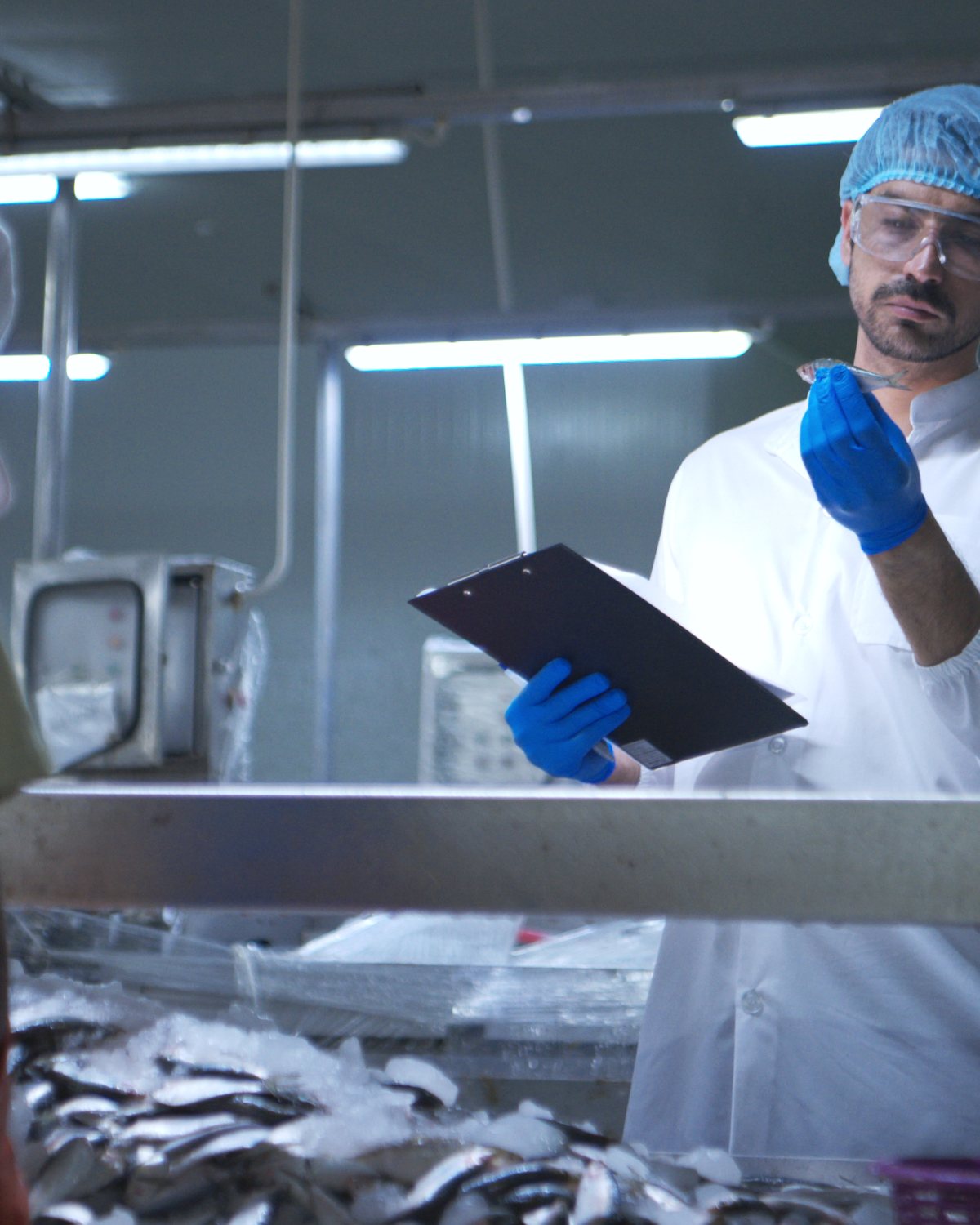
Typical scenario · Agriculture and food
A fish processing plant: sixteen fish processors from Nepal, a route of up to fourteen weeks, and ninety days to sign contracts that start from the permit date, not the arrival date
The Nepali exit permit and the D visa can only be obtained after the Ukrainian work permit. But the 90 days to sign an employment contract start from that permit's issue date, and the route can easily overrun them.
কেস দেখুন →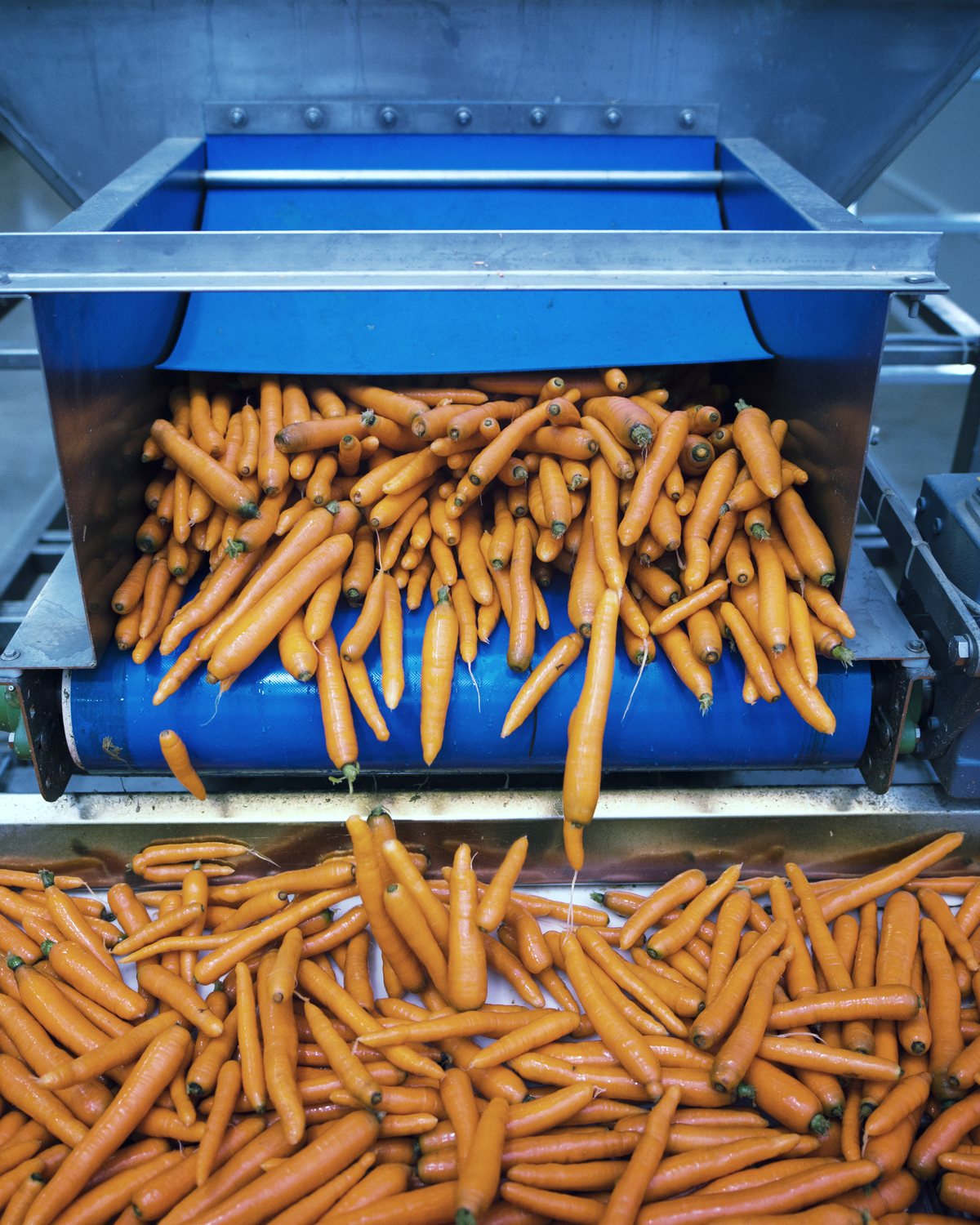
Typical scenario · Agriculture and food
A vegetable processing plant: thirty workers from Bangladesh, a twelve-week route and six private village houses, each with its own owner and its own documents
There's no dormitory in the village, so the plant rented private houses from local residents. For residence permits and registration each house needs documents and the owner's consent, and in a village not every house has them.
কেস দেখুন →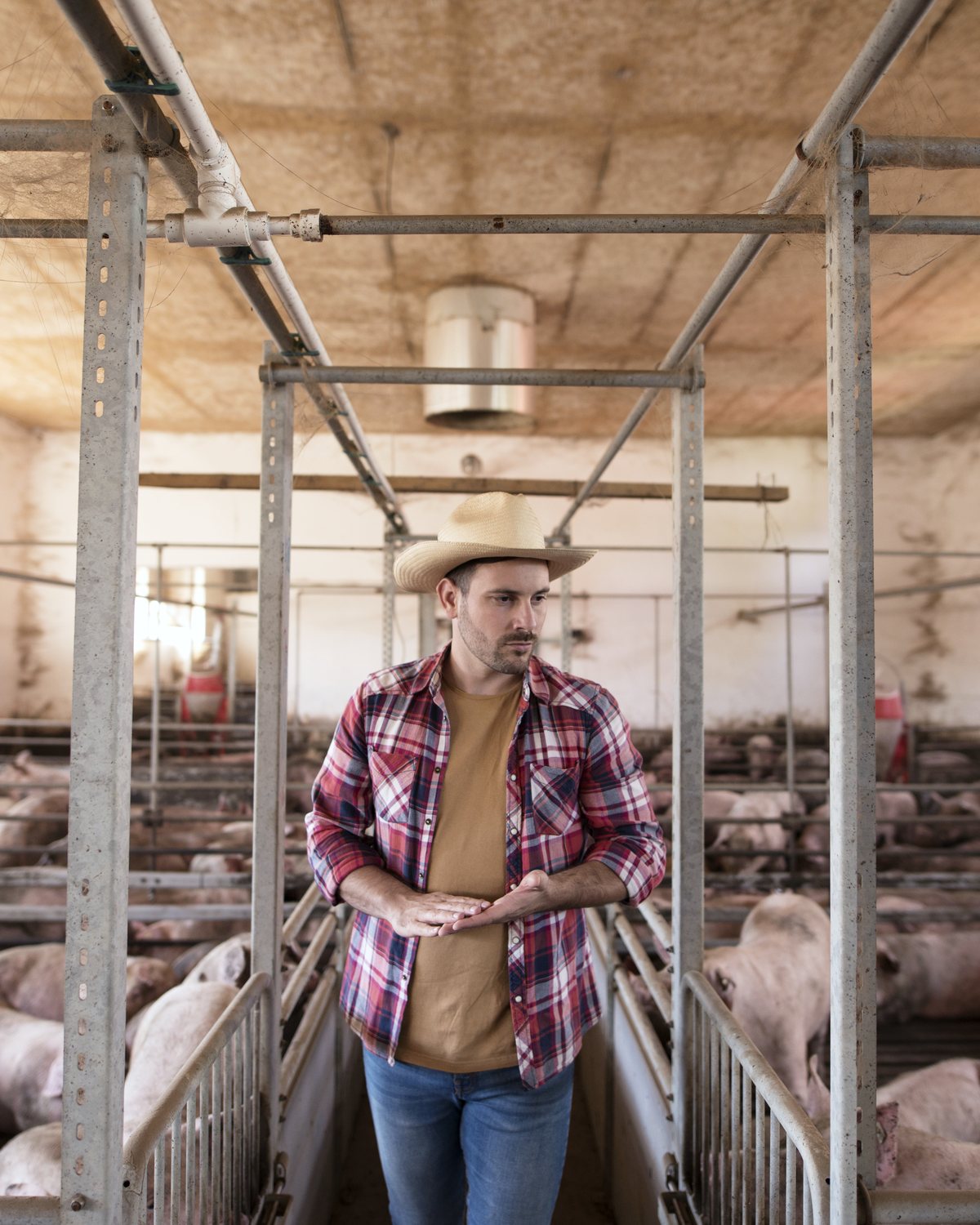
Typical scenario · Agriculture and food
A pig farm: twenty operators from India, an information sheet that says plainly which animals and which biosecurity rules, a farm video before the interview, and twenty-five withdrawals at home instead of refusals on the farm
The farm wanted a vague 'livestock farm work' advert so as not to put candidates off. Someone who first learns about pigs and a shower-in entry once in Ukraine refuses on the spot, after the permit has been paid for.
কেস দেখুন →
Typical scenario · Construction
Building a solar power plant: thirty-six installers from Turkey, a container camp in a field with no address for residence permits, and a village hostel we checked before arrival
The general contractor planned to house the crew in containers right on site, twenty-five kilometres from town. A residence permit and registration of residence need a housing address with documents, and a field doesn't have one.
কেস দেখুন →
Typical scenario · Technical trades
A farm machinery plant: fourteen fitters from Azerbaijan, a list of eleven documents 'just in case', a map of what's actually needed, and fourteen permit applications without a single remark
HR wanted to collect everything from candidates: diplomas, employment record books, references. A file like that takes weeks, and what most often stops a permit application isn't missing paperwork but a mistake in the passport translation.
কেস দেখুন →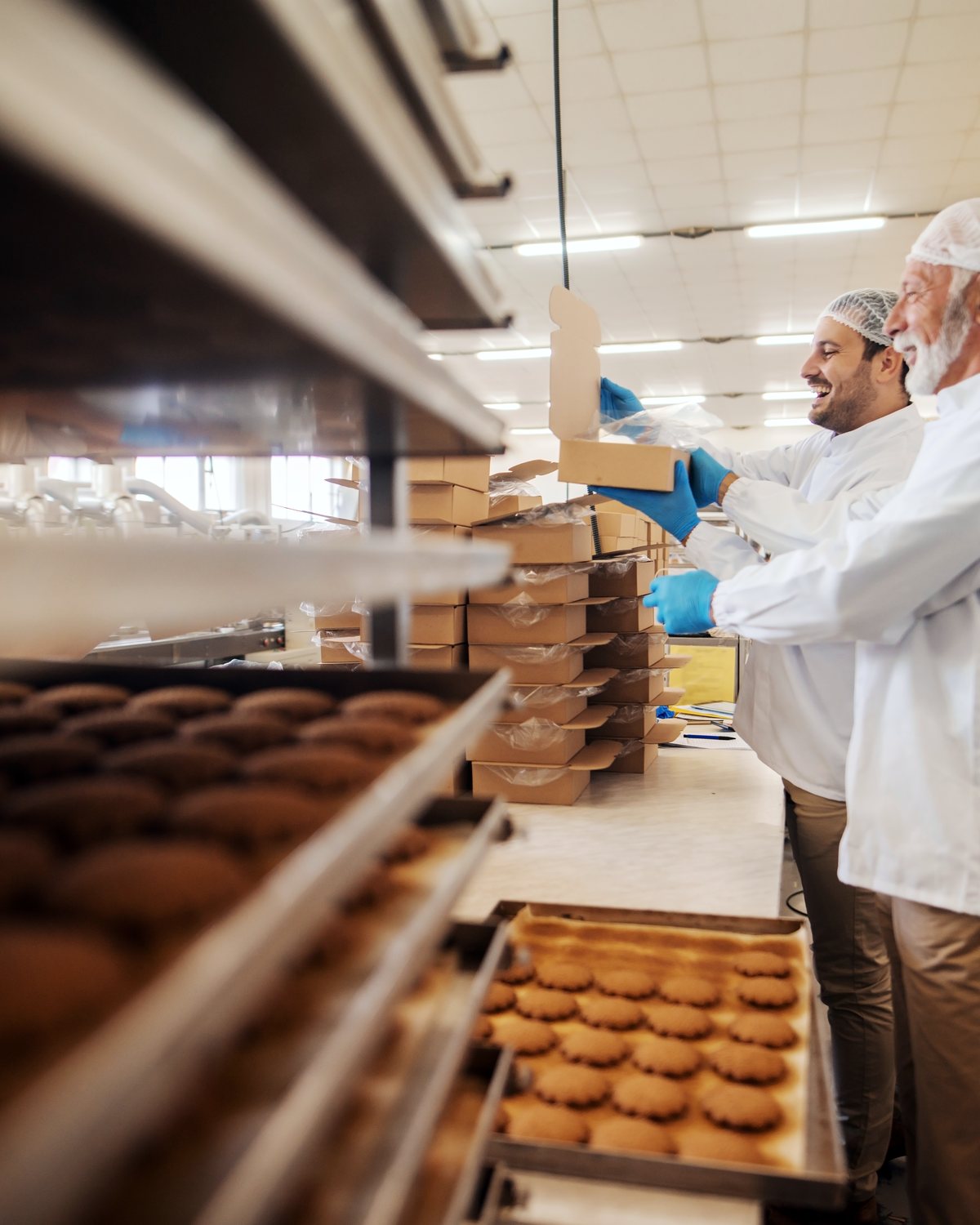
Typical scenario · Agriculture and food
A confectionery factory: eighteen packers from Kyrgyzstan, families who wanted to see the conditions before departure, a dormitory floor we turned down, and two women-only flats
Women from small towns in Kyrgyzstan were going abroad for the first time, and the decision was often the whole family's. The factory first offered a floor in a dormitory shared with men from another company.
কেস দেখুন →
Typical scenario · HoReCa and cleaning
A cleaning company: twenty-four cleaners from Bangladesh for forty client sites, two job titles instead of one, the side-job question before departure, and a landlord who refused registration
People would work not at the company's own premises but at forty client sites: offices, shopping centres and warehouses. A permit covers one job with one employer, while there are many clients.
কেস দেখুন →
Typical scenario · Agriculture and food
A sugar plant: thirty seasonal workers from Uzbekistan the plant wanted back, eight months between campaigns, and new permits filed neither too early nor too late
After a good campaign the plant wanted the same team back in September. Last season's permits had ended in December and could no longer be extended, and in eight months people's phones, passports and plans change.
কেস দেখুন →
Typical scenario · Manufacturing
A plastics plant: a finance director once burned by an 'all-in package', fourteen operators from Kyrgyzstan, and a calculation where every payment is tied to a step of the route
A previous intermediary quoted the plant one sum per person with state fees built in. When some people didn't arrive, nobody could explain what part of that money would come back.
কেস দেখুন →
Typical scenario · Agriculture and food
A greenhouse complex: twenty pickers from Tajikistan, most crossing a border for the first time, passports that didn't exist yet, and a document folder that raised no questions at the border
For most candidates this was their first trip abroad. Four had no international passport yet, and at the border someone who can't explain the purpose of their trip risks a long conversation.
কেস দেখুন →
Typical scenario · Agriculture and food
Fruit packing house: eighteen sorters and packers from Tajikistan, insurance policies that covered 90 days instead of a year, and four days before the first residence permit filing
Five days before the residence permit filings, the migration partner rejected the whole group's policies: under the insurer's rules a single trip was covered for no more than 90 days, while the residence permits were being filed for a year, the term of the work permit.
কেস দেখুন →Typical scenario · Manufacturing
Plastic packaging plant: twelve operators from Kyrgyzstan and twelve packers from Bangladesh, two different routes and one arrival week for a new line launch
The plant wanted the whole team of twenty-four people to arrive in the same week. But the D visa route from Bangladesh is twice as long as the visa-free route from Kyrgyzstan, and one candidate's passport changed after the permit was issued.
কেস দেখুন →
Typical scenario · HoReCa and cleaning
Hotel chain: ten cooks from Azerbaijan, a trial in a partner's kitchen in Baku watched by video by the head chef in Lviv, blind tasting of numbered plates and a reserve the chef had already seen at work
The chain's head chef would not hire cooks on the strength of a CV and photos of dishes, and he could not travel to Baku before the new hotel opened. A screen shows the knife, the heat and the plating, but not the taste. A trial in Ukraine before the permit is not an option: it already counts as work.
কেস দেখুন →
Typical scenario · Construction
Factory building project: sixteen steel erectors from a Turkish company as seconded workers, foreign employer documents certified and translated, and the crew on site the day the first steel lorry arrived
The main contractor needed erectors for a steel frame made in Turkey. The most reliable option was the Turkish company's own crew, but for seconded workers the permit package is built around the foreign employer's documents, which have to be certified in Turkey and translated in Ukraine.
কেস দেখুন →
Typical scenario · Agriculture and food
Agricultural company: thirty workers from Kyrgyzstan brought in by WORKIN, a reorganisation with a new name and amendments to every work permit, prepared in a week rather than thirty days
The company joined an agricultural holding and changed its name. The Kyrgyz group's thirty work permits still showed the old name, the law allows 30 days for amendments, and in the dormitory people were already saying they had been sold along with the company.
কেস দেখুন →
Typical scenario · Manufacturing
Dry building mix plant: an electrician from India offered higher pay by the plant next door to start on Monday with the paperwork later, a move made without breaking the rules and a replacement from the same selection's reserve list
Four months into the job, the plant next door offered one of ten workers from India higher pay and a Monday start without a permit. He assumed his permit would move with him, while the client plant risked both its permit and an empty position.
কেস দেখুন →
Typical scenario · Agriculture and food
Mushroom farm: twelve workers from Nepal with mushroom-growing experience, videos filmed on farms in Kavre and the Kathmandu Valley, and a route of up to fourteen weeks fitted to the launch of a new growing room
The farm was finishing its fourth growing room, and the first cycle in it was fifteen weeks away. It needed people who had already worked on mushroom farms. That experience is rare, and most of it turned up in Nepal, a route that takes up to fourteen weeks.
কেস দেখুন →
Typical scenario · Agriculture and food
Industrial bakery: ten bakers from Uzbekistan, a paid trial day at a bakery in Tashkent, a technologist at the screen at five in the morning and the baker position in the permit from day one
The bakery needed bakers it could see at work, not on a CV. A baker cannot be tested on the production floor before the permit, and the technologist doubted that a craftsman's hands could be judged through a screen.
কেস দেখুন →
Typical scenario · Manufacturing
Corrugated packaging plant: eighteen packers from Bangladesh, nine documents each, a tracker that shows where every original is, and four powers of attorney reprinted before legalisation
The D visa route from Bangladesh takes up to twelve weeks, and every candidate document passes through several hands: issue, legalisation, translation, a notary and a courier envelope. One lost sheet or a name that differs from the passport takes a person out of the group for weeks.
কেস দেখুন →
Typical scenario · Construction
Building services contractor: twelve pipe installers from India, one job under four titles in the request, staffing table, contract and invitation, two positions instead of one vague one, and a permit amendment when an installer became a welder
The permit, the contract and the visa all rest on one job title, yet the contractor's documents gave one job four different titles. On top of that, the chief engineer wanted the plumbers to do some welding when needed, which in practice meant working in a different position.
কেস দেখুন →Typical scenario · Manufacturing
Shoe factory: eight workers from Tajikistan on a trial on the WORKIN payroll, a review against written criteria in week four and a move onto the factory's staff with a new permit and not a single day's gap
The factory was hiring foreign workers for the first time and did not want to take on people it had only seen on video. After the mid-trial review, the director wanted six of them on staff straight away, even though a WORKIN permit gives no right to work for the factory.
কেস দেখুন →Typical scenario · Retail
Supermarket chain: before recruiting in Kyrgyzstan in waves for a whole year, we vetted the partner agency's licence, offices, recruiters and candidate funnel
The chain will hire for new stores in waves throughout the year and wants to know before the start who exactly is finding candidates abroad, on what terms, and whether people are paying for their place.
কেস দেখুন →Typical scenario · Agriculture and food
Meat plant: twelve deboners from Turkey, a 1998 master's certificate without a single Turkish letter, a first name reduced to one letter on a certificate, and seventeen qualification documents checked before any permit was filed
The plant hires deboners only if they hold a qualification document. Turkish certificates and diplomas have to be verified, apostilled, translated with the translator's signature notarised and matched to passports, while older documents have neither Turkish letters nor an identity number.
কেস দেখুন →Typical scenario · Manufacturing
Auto parts plant: a pilot group of six assemblers from India, four weeks of observation, a new candidate card and a wave of twenty-four people ahead of a new assembly area opening
The plant was hiring from abroad for the first time and did not want to risk thirty positions at once. The D visa route from India is long, so a mistake in the selection criteria would have taken months to put right.
কেস দেখুন →Typical scenario · Warehousing and logistics
Fulfilment warehouse: thirty people before the sales peak in five weeks, interviews running at once in Dushanbe and Khujand, three permit batches, three arrival groups and all thirty at the warehouse six days before the date on the whiteboard
Two large online retailers were moving their stock to the warehouse, and the sales peak was five weeks away. In that time thirty people had to be found, checked and brought in, and five weeks is the lower end of the visa-free route.
কেস দেখুন →Typical scenario · HoReCa and cleaning
A restaurant group of three companies: fourteen cooks from India, an employer map before the first application, sixteen permits and two pastry cooks with two employers each
The group planned to hire every cook through one company and send them wherever extra hands were needed. But in law three companies are three employers, and a cook working at another company's venue is not working where the permit says.
কেস দেখুন →Typical scenario · Technical trades
Ventilation equipment manufacturer: fourteen assembly fitters from Kyrgyzstan, zeros in the social contribution column for the first month and twenty-three days left before the permits could have been revoked
After the group arrived, the company's accounts department did not calculate the unified social contribution for fourteen foreign workers for their first month. Non-payment within two months of the employment contract date is a ground on which the employment centre revokes a permit.
কেস দেখুন →Typical scenario · Warehousing and logistics
Logistics company: sixteen order pickers and loaders from Bangladesh, permit applications left without motion over a passport page with parents' names, and five working days to correct them between Kyiv and Dhaka
The employment centre left all sixteen permit applications without motion: the files lacked a copy and translation of the passport page with the parents' names and permanent address. The law allows seven working days to correct this, and the passports were with people in different parts of Bangladesh.
কেস দেখুন →Typical scenario · Construction
Concrete frame subcontractor: sixteen steel fixers and concreters from Azerbaijan, eleven pages of site access rules from the main contractor, and a personal file for every worker that got the whole crew through the turnstile on day one
The main contractor lets a subcontractor's foreign workers on site only after its access team has checked their documents. A complete file can only be put together several days after the border, and the main contractor's list included a residence permit card, which never exists that soon.
কেস দেখুন →
Typical scenario · Manufacturing
A garment factory: sixty seamstresses in waves from Uzbekistan and Nepal, a video test before permits and an exit permit without which no one leaves the country
The factory needed experienced industrial machinists for a new shop. A previous agency had obtained permits on the strength of CVs, and some of the women couldn't work on that kind of equipment.
কেস দেখুন →Typical scenario · Construction
A construction company: four workers from India go home for a festival, and each has a different document situation - residence card, passport, permit term and route
A crew of concrete workers from India asked to go home for Diwali. One's residence card was still being produced, another's passport was expiring, a third's permit was ending, and the fourth was travelling for the first time.
কেস দেখুন →Typical scenario · Manufacturing
A roofing materials plant: a second year for twenty-two operators from India - two extension windows, job changes, a new dormitory and in-person residence permit filings
Permits for two waves of workers ended a month apart. Over the year, job titles, a passport and the dormitory address had changed, and each worker extends a residence permit in person.
কেস দেখুন →Typical scenario · Warehousing and logistics
A logistics centre: twelve permits for people from India, an intermediary who stopped answering, and twenty-nine days until the contract deadline
An intermediary obtained permits for twelve workers from India and went silent. The candidates' passports sat in his partner's office, the visas were 'in the queue', and 61 of the 90 days to sign employment contracts had already passed.
কেস দেখুন →Typical scenario · Manufacturing
A cable plant: four of twenty-four operators from India go home in the first six months, and we fill the places under the guarantee with reserve candidates
Within five months, four workers asked to go home for personal reasons. The plant had one question: who will take these places, when, and will it have to pay for recruitment again?
কেস দেখুন →Typical scenario · Technical trades
A steel structures plant: twelve welders and fitters from Azerbaijan, a practical test in Baku before permit applications, and job titles recorded as people will actually work
The plant needed MIG welders for all positions. Every CV looked good, but a worker can't be tested on the line before the permit: that already counts as working without one.
কেস দেখুন →Typical scenario · Construction
A facade company: twelve installers from Turkey, three bilingual crew leads, a language check at interview instead of a line on a CV, and Turkish letters that had to match in passport, translation and permit
The company's foremen speak only Ukrainian and Russian. Its condition was that every crew must have someone who understands the foreman without a phone or hand signals.
কেস দেখুন →Typical scenario · Construction
A road company: twenty-eight workers from Kyrgyzstan for the season, ninety visa-free days that start at the border, and permit terms with a margin for a warm autumn
The road season depends on the weather, while permits, contracts and visa-free stays depend on dates. The company wanted people working until the last warm day without any document expiring first.
কেস দেখুন →Agriculture and food
Agriculture: a seasonal group with housing nearby
The seasonal peak required people in specific weeks, and there was no housing nearby.
কেস দেখুন →
Construction
Construction: reinforcing the crew at the concrete stage
The concrete stage needed people with real experience, not general labourers.
কেস দেখুন →
Construction
Construction: finishing trades across several sites
Several sites at once, different types of work and different skill levels.
কেস দেখুন →Manufacturing
Manufacturing: operators for an additional shift
The new shift would not fill: local applications were not enough.
কেস দেখুন →Technical trades
Machines and CNC: sourcing with a practical check
Experience on a CV did not match what the person could do at the machine.
কেস দেখুন →Technical trades
Welders matched to a specific process
The need was not for a welder in general, but for a welder for a specific process.
কেস দেখুন →Warehousing and logistics
Drivers: transfers between housing and the site
Without transport the shift did not assemble, and daily taxis are not a solution.
কেস দেখুন →HoReCa and cleaning
Cleaning: a stable crew across several sites
Turnover on the sites made it impossible to assemble a permanent crew.
কেস দেখুন →HoReCa and cleaning
HoReCa: dishwashers, kitchen porters and prep staff
The kitchen ran on constant overtime for lack of support staff.
কেস দেখুন →
Warehousing and logistics
Retail logistics: a night shift for goods-in and picking
The night schedule scared candidates off, and the work cannot be done during the day.
কেস দেখুন →Manufacturing
Urgent launch: a plan built backwards from the start date
The launch date was already set while the shift crew was not yet hired.
কেস দেখুন →
India
India: volume sourcing for a production project
Volume hiring was needed that neighbouring markets cannot supply.
কেস দেখুন →Central Asia
Central Asia: a visa-free route for volume roles
A faster route than a visa one was needed, with the same level of control.
কেস দেখুন →Housing and transport
Managed living: housing, transport and meals
Living arrangements consumed managers' time and broke the shift schedule.
কেস দেখুন →Contractual replacement
Contractual replacement: a procedure instead of a dispute
A worker left and the shift was left short.
কেস দেখুন →


একই ধরনের প্রকল্প নিয়ে আলোচনা
The company name is withheld under confidentiality terms. Figures, timelines and volumes are not published until they are documented.